
The Architecture of Storytelling
The Hunchback of Notre DameThis thematic thread follows the novel’s connection between buildings, written forms, and the way a society transmits memory.
increasing Bearing strength in each event
 decreasing
Bearing strength in each eventdecreasingA Building Read as Text
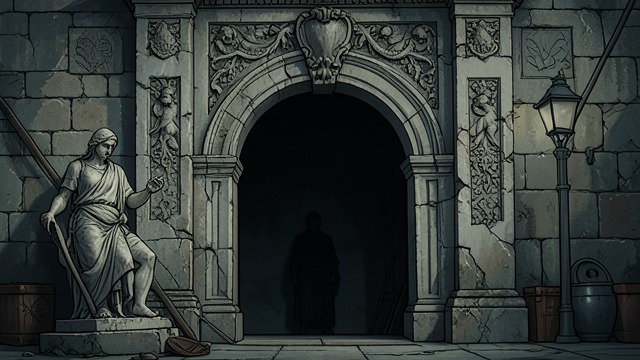
Stone with Meaning
Images in the façade
The narrator treats Notre-Dame’s portals, sculptures, and towers as pages that can be read. Architecture communicates religious, civic, and artistic ideas.
A record beyond an author
The cathedral embodies contributions accumulated across generations. Its meaning exceeds the intention of any one builder.
The Cathedral in the Novel
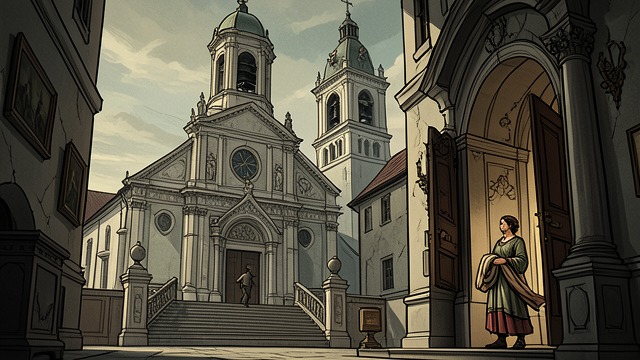
Setting Becomes Structure
A home for characters
Quasimodo’s life is shaped by the cathedral’s bells and passages; Esmeralda’s safety depends on its threshold. The building directs both movement and feeling.
Plot carried by architecture
Towers, doors, roofs, and cells make rescue, concealment, and danger possible. The monument acts as a participant in the human drama.
Printing Challenges Stone

A New Means of Expression
Text multiplies
The printing press circulates thought more cheaply and widely than monumental construction. Human ideas become portable and reproducible.
A historical reversal
The narrator imagines architecture losing its role as the dominant social art. The new medium changes not only books but the balance of cultural expression.
A Novel Restored

Missing Chapters Recovered
The work’s intended form
The author explains that several chapters were misplaced when earlier editions were printed. Their restoration returns historical and architectural arguments to the book.
Art as an organic whole
The note insists that a novel should not be altered casually after completion. Form, structure, and meaning are presented as interdependent.
The Book as Preservation

A Warning to the Present
Monuments at risk
The added note names demolitions and restorations that damage historic architecture. The narrator sees public indifference as part of the danger.
Print as advocacy
The book uses its reproducibility to argue for preserving buildings that cannot be replaced by text. Writing becomes a tool for defending the stone record it describes.
The narrator’s description of Notre-Dame
As the story shifts from Paris’s festival to Notre-Dame
The transition beginning in the fifteenth century
The definitive edition’s 1832 note
Paris, October 20, 1832
